

Why Facestock Selection is Your Label’s Most Critical Business Decision 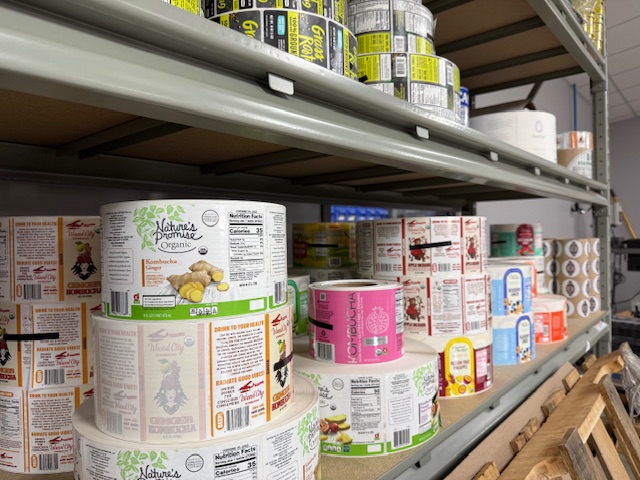
Facestock is, literally and figuratively, the foundation of your entire label structure. It is the primary material that carries your printed design, acting as the visual ambassador for your product. Beyond aesthetics, the facestock choice dictates the label’s application performance, its durability under environmental stress, and ultimately, its cost and the perceived value of your product on the shelf.
A simple mismatch—like using paper on a squeezable container or a non-UV-resistant film on an outdoor product—can lead to wrinkling, peeling, or fading, compromising brand reputation and potentially triggering compliance issues.
The right choice is a strategic alignment of three factors: performance requirements, application specifics, and brand aesthetic goals. This guide outlines the general variables we use to engineer the most successful label solution for your unique packaging challenge.
Defining Critical Variables of the Product’s Life Cycle
Application Surface and Substrate Compatibility
The material of the container and its surface characteristics are the first performance gatekeepers.
Substrate Material (LSE vs. HSE): Containers like glass and metal are considered High Surface Energy (HSE) substrates, which readily attract and bond with standard adhesives. In contrast, many plastics (like polyethylene or polypropylene) are Low Surface Energy (LSE), making them inherently resistant to bonding. LSE materials often require specialized, high-tack adhesives and compatible facestocks to achieve a permanent bond.
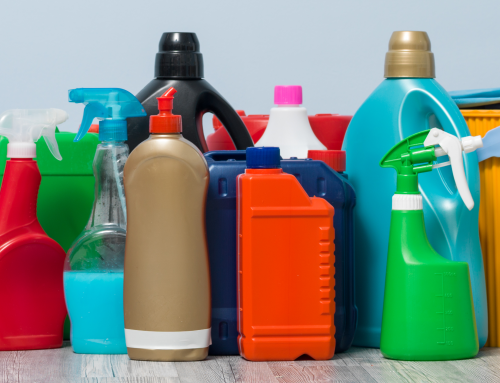
Conformability and Squeezability: A smooth, flat container pairs well with economical paper or rigid films. Highly curved, irregular, or squeezable surfaces demand films with a low modulus of elasticity (like Polyethylene or flexible vinyl) that can conform to the tight radius or flex without edge lift (flagging).
Texture and Porosity: Rough cardboard, powder-coated metals, or textured plastics reduce the total surface contact area. These applications require a material that is robust enough to prevent tearing and, more importantly, a highly aggressive or thick adhesive layer to physically fill the surface gaps.

Environmental Stressors: Performance Under Pressure
Label failure often occurs when the chosen facestock cannot withstand the final storage or use environment.
Moisture & Immersion: Products in cold storage, freezers, or high-humidity areas (like bathrooms or beverage coolers) often require fully synthetic, water-resistant films (BOPP, PET). However, for products with moderate moisture exposure or condensation—such as refrigerated goods—a common, cost-effective solution is a standard paper facestock protected by a high-gloss or matte film laminate to prevent the paper from wicking moisture and degrading.
Temperature Extremes (Cold Chain and Hot Fill):
Frozen Foods: Labels applied to products that will be flash-frozen or stored in freezers must use materials and adhesives specifically formulated to prevent cold flow and cracking at sub-zero temperatures.
Hot-Fill & Sterilization: Bottles filled with hot liquids or subjected to steam sterilization (autoclaving) require Polyester (PET) or high-performance films that resist shrinkage, bubbling, or wrinkling under sustained heat.
Light and UV Exposure: Products stored outdoors (e.g., lawn and garden, industrial drums) or displayed in sunlit windows require a UV-stabilized facestock, such as vinyl (PVC), paired with UV-resistant inks and protective varnishes to prevent color fade and material embrittlement.
Chemical Resistance: Exposure to oils, solvents, cleaning agents, or caustic materials will immediately degrade most papers. Durable synthetics with a protective topcoat are essential for compliance, safety, and industrial labeling to maintain legibility and structural integrity.
Durability Needs & Regulatory Compliance
Durability is not just about avoiding tears; it’s about maintaining functionality and regulatory adherence over the product’s lifespan.
Abrasion and Scratch Resistance: For high-touch products or those subject to rough transit, the facestock and its print are vulnerable to physical damage. To address this—and to provide essential moisture barrier protection over paper stocks—we recommend a robust film laminate (an overlay film) or a high-performance UV-cured varnish to protect the printed layer from scuffing, abrasion, and incidental moisture.
Long-Term Identification (Durable Goods): Labels intended to last for years—such as serialized tags, asset tags, or warning labels—must meet stringent longevity requirements. This often necessitates the use of specialized synthetics like Polyimide or Polyester.
Compliance and Safety: For industrial, automotive, or electrical components, the label construction may need to meet specific recognized standards. Your label partner must be capable of providing materials listed under UL (Underwriters Laboratories) or CSA (Canadian Standards Association) guidelines for safety and performance integrity.
Aesthetic Goals: The Shelf Impact Strategy 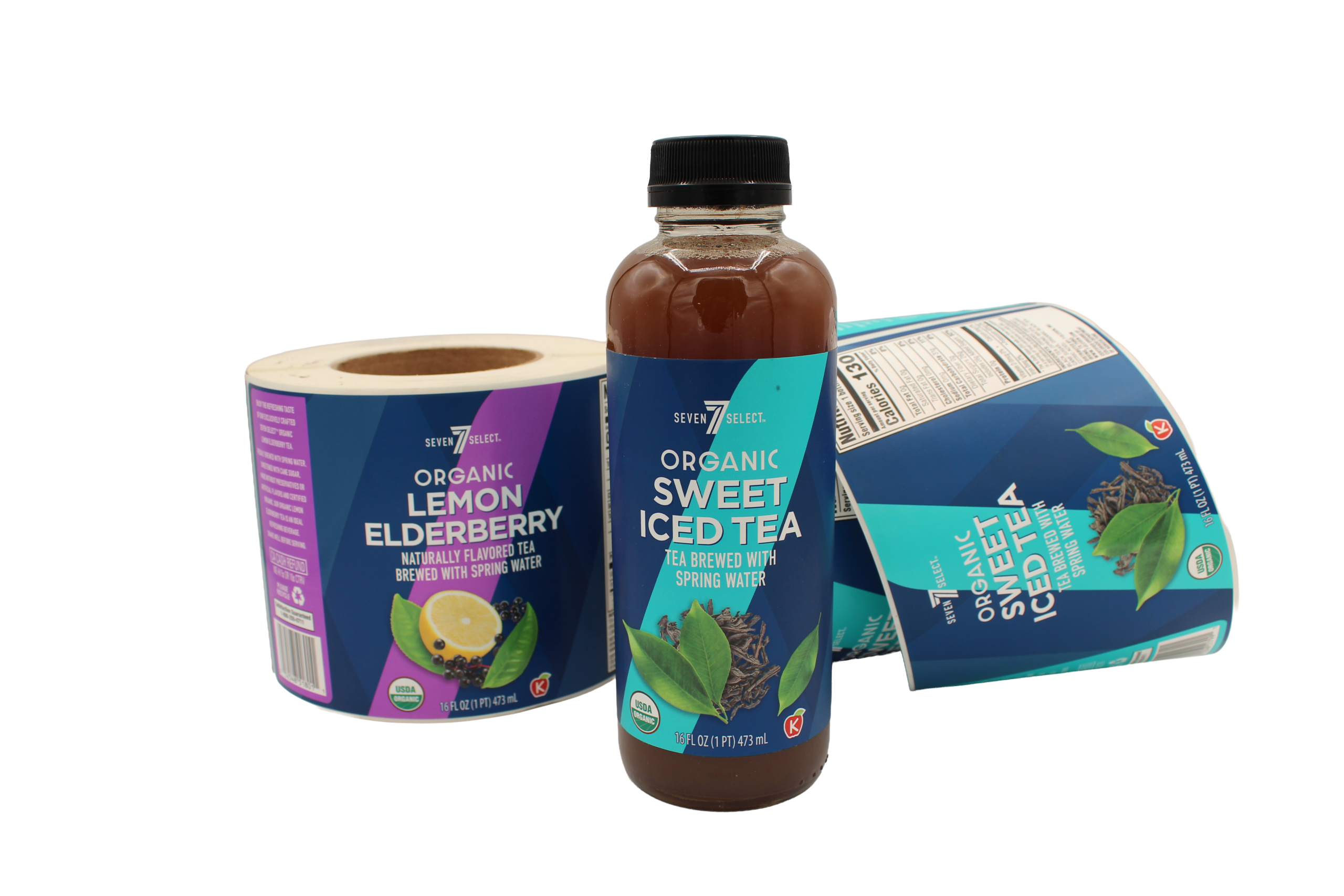
The facestock is a crucial component of your brand’s visual and tactile experience, helping to execute a strategic shelf differentiation.
The “No-Label Look”: Achieved using ultra-clear synthetic films (BOPP or PET) combined with high-clarity, invisible adhesives. This effect allows graphics to appear printed directly on the container, conveying a sleek, premium, or minimalist aesthetic.
Tactile Differentiation: Moving beyond the standard gloss or matte finish, specialty papers like linen, felt, or laid textures invite consumers to touch the product. These communicate craftsmanship and authenticity, making them staples in the wine, craft beverage, and artisanal food markets.
Premium Visuals (Metallics): To signal luxury or celebration, brands utilize metallic effects. This is accomplished using metallized films or specialty papers, which can be printed over to create custom metallic colors, or through foil stamping, where a metallic foil is applied to the surface for a brilliant, dimensional shine.
Sustainability Messaging: Brands committed to ESG goals can select from Post-Consumer Recycled (PCR) papers, thinner films engineered for source reduction, or material constructions optimized for specific recycling streams (e.g., wash-off adhesives).
| MATERIAL | TECHNICAL ADVANTAGE | IDEAL APPLICATION EXAMPLES | CONSIDERATIONS FOR SALE READINESS |
|---|---|---|---|
| PAPER (Coated/Uncoated) | Highly economical, excellent surface for sharp graphics, wide range of adhesive options. Can be laminated for moisture resistance. | Dry food goods, point-of-sale systems, short-term promotional labels, interior packaging, refrigerated goods (when laminated). | Best for budget-conscious projects. For any moisture exposure or heavy handling, a protective film laminate or UV varnish must be applied to create the necessary barrier. |
| BOPP (Biaxially-Oriented Polypropylene) | Excellent moisture/chemical resistance, high tensile strength, available in clear, white, and metallic. Highly conformable. | Beverages, health & beauty products, household cleaners, frozen foods. | The industry workhorse for film labels. Essential for squeezable containers due to its flexibility. |
| PET (Polyester) | Superior heat resistance and dimensional stability (low shrinkage). Excellent clarity in clear versions. | Hot-fill products, high-temperature industrial applications, sterilization processes, durable asset tags. | Higher cost than BOPP, but necessary where high heat is a factor. |
| Vinyl (PVC) | Exceptional long-term durability and resistance to harsh weather, abrasion, and UV light. | Outdoor equipment, chemical drums, compliance labels, durable goods requiring multi-year exterior exposure. | Excellent durability but can be less eco-friendly than other films. |
| Specialty (Textured, Foils) | Creates distinct tactile or visual differentiation, increasing brand recall and premium perception. | Premium spirits, craft beer, gourmet foods, cosmetics, limited-edition runs. | Material cost is high; must be aligned with high-margin product lines. Requires thorough testing for application/dispensing reliability. |
MOVE BEYOND THE “GUESSING GAME”
Selecting the right label material is a complex, multi-variable equation involving chemistry, mechanics, and design strategy. Getting this foundational decision right is essential for minimizing potential production hurdles, avoiding costly performance issues down the line, and ensuring maximum shelf presence.
As a dedicated label manufacturing partner, our process is designed to elevate your material choice from an educated guess to a qualified engineering solution. By thoroughly understanding your container design, production process, environmental hazards, and required lifespan, we ensure your label performs reliably and looks beautiful throughout its entire life cycle. Ultimately, it is a tedious balance of variables necessary to achieve the most value for your label dollar.