

A Delicate Balance of Performance, Aesthetics, and Cost
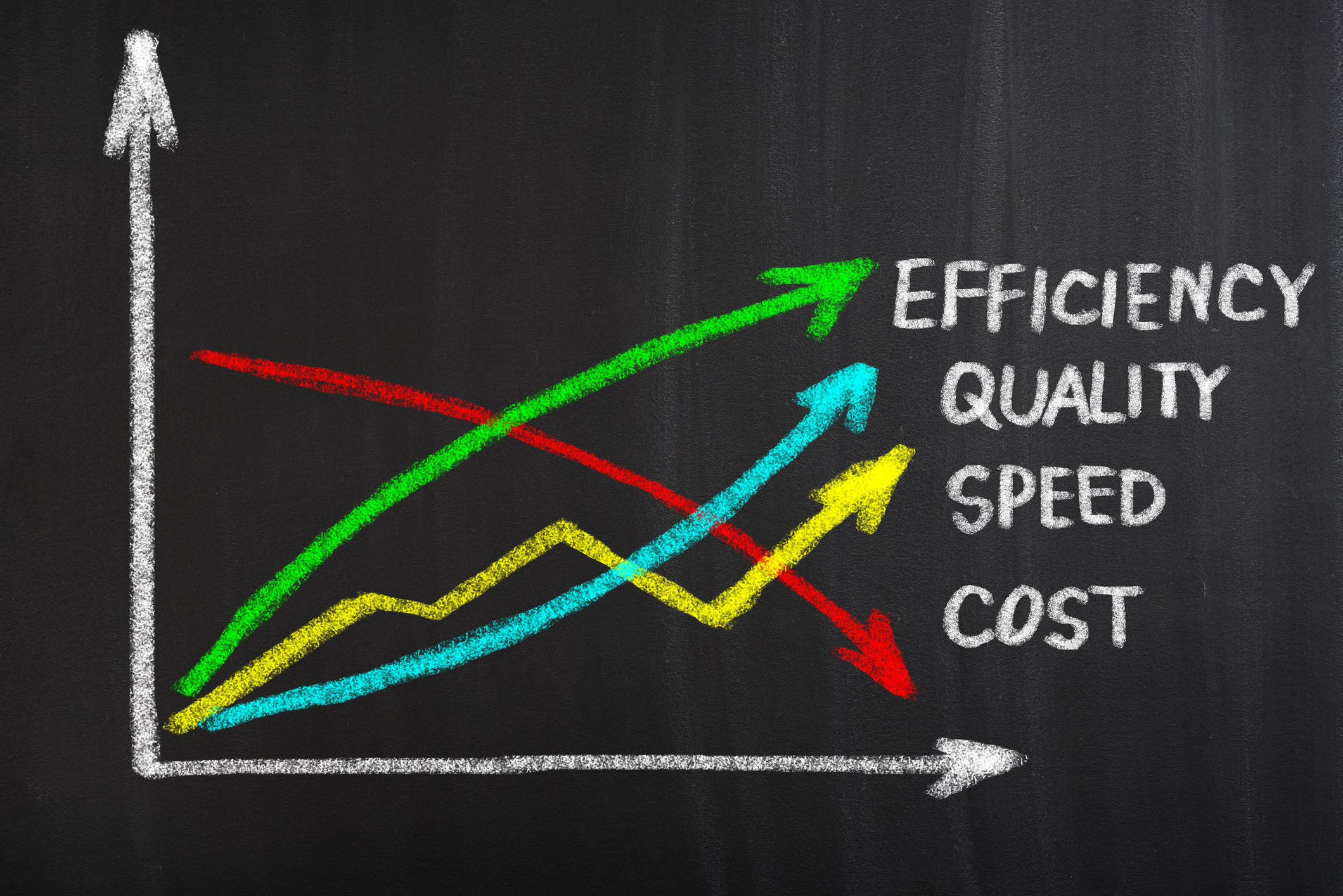
For brands managing tight margins, label costs can seem complex and variable. Unlike simple packaging components, label pricing is not just about material and size; it’s shaped by a mix of production, design, and run-related factors. Understanding the levers that drive these costs allows you to make strategic decisions that save money without compromising quality or shelf appeal.
Every decision, from the choice of material to the order quantity, impacts the final unit price. By knowing how to engineer your label specifications for maximum efficiency, you can achieve labels that perform well, look great, and fit your budget.
Core Cost Drivers in Label Manufacturing
Material Selection
The label’s construction—the combination of the facestock and the adhesive—is often the most significant cost driver.
- Facestock: Economical papers are the base cost. Moving to durable films (BOPP, PET) or specialty textures (foil, wine stock) increases the unit price due to the raw material cost and the complexity of converting.
- Adhesives: Standard permanent adhesives are common. Specialty adhesives, such as those that are freezer-grade, repositionable, or designed for high chemical resistance (e.g., specific acrylic formulations), add cost due to specialized chemistry.
- Sustainability: Sustainable materials (e.g., post-consumer recycled content or ultra-thin films) often have a premium price tag but offer long-term brand value.

Print Method & Technology
The technology used to print your label fundamentally dictates the cost structure, particularly for setup and versioning.
| Print Method | Best for… | Cost Driver | Key Benefit for Budget |
|---|---|---|---|
| Flexographic (Flexo) | Long runs (high volume) with consistent, stable artwork. | High initial cost for physical plates (one per color/finish). | Lower per-unit price once set up costs are spread across millions of labels. |
| Digital | Short runs, multiple versions (SKUs), and designs with frequent changes. | Higher per-unit cost than Flexo on large runs. | No plate costs; allows economic production of small batches and just-in-time inventory. |
| Hybrid | Designs requiring metallic effects or heavy opaque white, combined with the flexibility of digital. | Blends the costs of plates (for embellishments) and digital printing. | Maximizes visual impact without the high setup fees of traditional specialty finishing. |
Run Length and Order Strategy
The volume and frequency of your orders directly influence unit pricing by controlling how setup costs are distributed.
Optimization: Larger, less frequent orders spread fixed costs (setup, plate making, prepress) over more units, significantly lowering the cost per label. Combining multiple SKUs in a single print run can also streamline production and reduce downtime.
The Risk of Overordering (Inventory Trap): While large runs offer the best unit price, overordering can backfire:

- Obsolescence: If ingredients, branding, or regulations change, unused stock becomes expensive waste.
- Capital: Tying up too much working capital in inventory impacts cash flow.
- Storage: Large volumes of labels require warehouse space, offsetting savings.
Pro Tip: Balance the cost savings of bulk ordering with realistic usage forecasts. It is often more
cost-effective to utilize digital printing for shorter, frequent reorders to achieve just-in-time inventory and minimize waste from obsolescence.
Graphics, Shape, and Finishing
The physical and aesthetic design choices require specialized tooling and time on press, directly affecting the price.
- Size and Shape: Larger labels use more material. Custom die-cuts require a new cutting tool (die), which is an added cost. Checking your supplier’s existing die library for a standard size can eliminate this one-time expense.
- Graphics and Colors: In Flexo, adding colors or special effects like heavy opaque white requires more plates. In Digital, full-color photos and complex gradients are essentially no more expensive than simple designs.
- Finishing: Premium effects like embossing, foil stamping, or high-build spot varnish significantly increase complexity and cost, regardless of print method (though digital embellishments can sometimes offer a lower entry cost).
Hidden Efficiency Drivers: Freight and Roll Specs
Often overlooked, the logistics of label delivery and application directly impact your total landed cost and operational throughout. Strategic planning here can reduce downtime and cut expensive shipping fees.
Labels Per Roll (LPR) Optimization
The number of labels wound onto a single roll affects everything from the time spent changing rolls on the labeling machine to the shipping weight of the pallet.
- Risk: Ordering rolls with too few labels (low LPR) forces frequent roll changes, leading to costly downtime on your production line and increasing labor costs. Conversely, rolls that are too large (high LPR) may exceed the capacity of your labeling equipment’s maximum outside diameter (OD).
- Solution: Work with your supplier to determine the maximum practical LPR that fits your equipment’s OD, minimizing changeovers without causing machinery faults. This small change in spec directly translates to higher throughput and lower labor costs.
Freight and Packaging 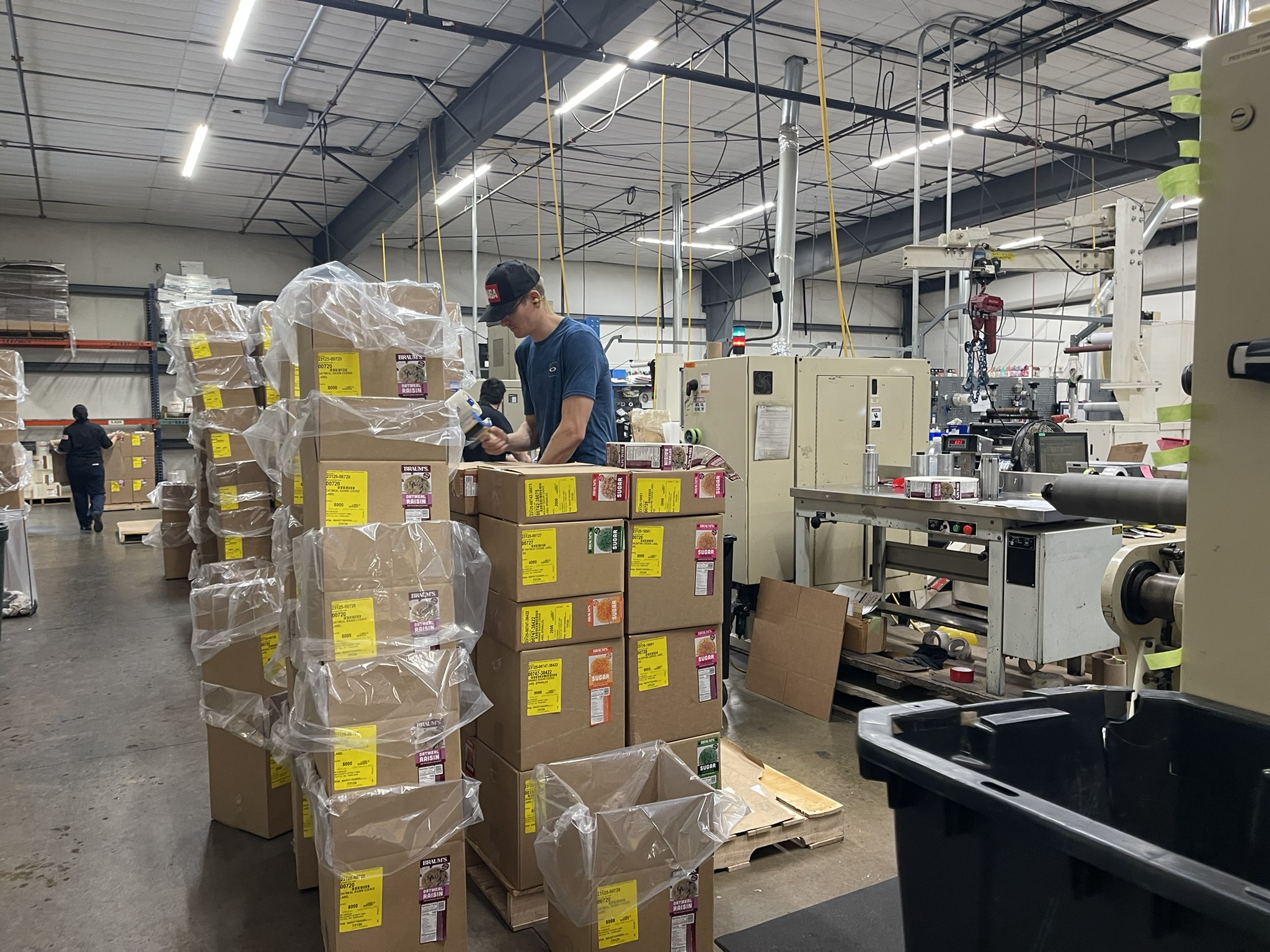
While the product cost is unit-based, the total cost of ownership includes transportation, which can be managed through smart packaging.
- Risk: Shipping small, frequent orders or poorly cube-optimized pallets leads to high LTL
(less-than-truckload) freight costs. Labels are heavy and bulky, so poor freight planning can eliminate material savings. - Solution: Consolidate orders whenever possible to maximize pallet density and qualify for lower FTL (Full-Truckload) rates. Additionally, optimizing roll configuration and corrugate size can improve carton density, allowing more labels per pallet and driving down the overall percentage of cost spent on freight.
Strategic Steps to Lower Label Costs Without Sacrificing Quality
- Standardize Your SKUs: Whenever possible, use the same physical size and shape across different product variations (SKUs). This allows you to use one die-cut tool and streamline your production runs.
- Order Smarter: Opt for a larger, consolidated run strategy for your most stable, high-volume products to maximize the efficiency of flexographic printing.
- Leverage Digital for Volatility: Use digital printing for seasonal promotions, limited editions, products with short shelf lives, or items with frequent mandatory artwork changes. This eliminates plate costs and the risk of obsolescence.
- Explore Material Substitutions: Discuss performance needs with your supplier. Sometimes a thinner, high-strength film or a slightly different adhesive can meet the required durability at a lower cost than the originally specified material.
- Simplify Finishing: Consider using a metallized film facestock instead of expensive hot or cold foil stamping to achieve a vibrant metallic look at a lower overall cost.
- Partner Early in the Design Cycle: Involve your label supplier before finalizing your packaging material or artwork. Early consultation can reveal opportunities to standardize roll sizes, use existing tooling, or optimize the design for a more efficient print process.
Aligning Label Value
Getting the best label pricing isn’t about cutting corners; it’s about making informed, strategic choices that align performance, design, and budget. By balancing material selection, run strategy, artwork design, and finishing options, you can actively control costs while still delivering labels that perform flawlessly and enhance your brand’s shelf presence.
Our consultative approach is designed to help you realize the best value for your label dollar by analyzing your entire portfolio and usage strategy. We lead with service—this means giving you expert technical advice early, identifying material efficiencies, and engineering a procurement plan that minimizes hurdles and maximizes your savings over the long term. That commitment to service and partnership is the key element to ensuring you always receive great labels at the best possible value.